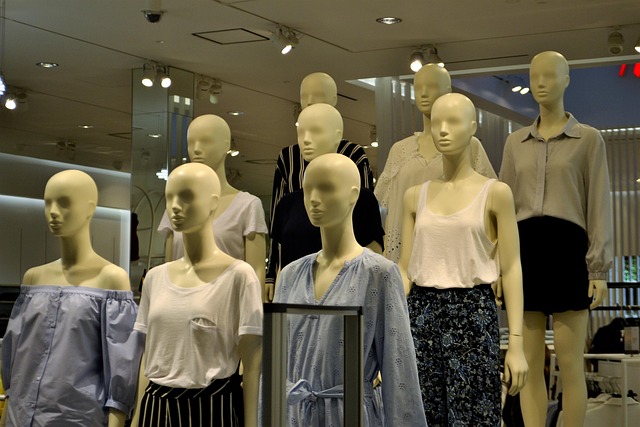
Course curriculum for tennis apparel sales

This curriculum is organised around real selling moments: a customer asking about fit, a team cleaning up variants for a product drop, or a manager trying to spot slow movers before a markdown spiral. Each module includes a short practice routine you can run weekly, plus example language for product features, returns, and customer communication across email and shop-floor conversations.

Established 2022 Self-paced modules Checklists included

Disclaimer: This website provides educational content only and does not guarantee business results or income.

tennis sportswear retail merchandising

Curriculum focus

Product clarity, customer conversation, store systems

Skill-first
Retail
Shop-floor routines
Fit checks, rails, service tone.
Online
Listing hygiene
Variants, size charts, returns.

Module-by-module breakdown

Tennis apparel sells well when the basics are disciplined: accurate sizing, consistent product language, and a clear reason to buy now rather than “maybe later.” The modules below are designed to stack. You start with product knowledge (so recommendations have substance), then build communication patterns (so the conversation stays calm), then add sales strategy (so the basket grows without pressure), and finish with operational hygiene for inventory and online store management (so the customer experience matches what the page promises).

Module 1 Product knowledge

Tennis apparel product knowledge that leads to clear recommendations

Learn how to read a garment like a merchandiser and explain it like a good salesperson. You will cover fabric blends and weights, stretch recovery, ventilation panels, seam placement, and care labels. The point is not memorisation; it is being able to compare two items in a way that feels grounded and quick. You will also practise “feature-to-benefit” translation for tennis-specific use cases such as hot-weather sessions, layered warm-ups, and travel to matches.

  • How to explain fit, drape, and movement without guessing or over-promising.
  • How to handle “Is it worth it?” using value anchors: durability, care, comfort, and use-case alignment.
  • Practice routine: a two-minute product talk track you can repeat per SKU.

Output

A product explanation template

Use it for polos, skirts, shorts, layers, socks, and accessories so the store voice stays consistent.

Care labels Fabric blends Use-case fit
Module 2 Communication

Customer communication and fit guidance

This module teaches conversation structure. You will practise short questions that reveal what matters—comfort, movement, budget, and timing—without sounding like a script. Then you will learn to summarise back what you heard and offer a clear next step. The same structure works in person and by email, which keeps the experience steady across channels. The section on returns and exchanges is deliberately granular: the goal is to reduce back-and-forth while still sounding human.

  • A practical fit check: preference, rise/length, movement test, and confirmation.
  • Price questions handled with calm clarity: value, longevity, and comparison language.
  • Exchange language that sets expectations for timelines and condition checks.

Output

A “fit conversation” checklist

Designed to be used on a busy Saturday. Short, repeatable, and respectful.

Questions Summaries Next step
Module 3 Sales strategy

Sales strategy for sportswear retail and tennis seasonality

Strategy here means choosing a simple approach you can run consistently. You will learn basket-building logic that feels natural in tennis apparel: layers that match weather, socks and grips that complement footwear, and add-ons that support comfort rather than hype. You will also learn a basic cadence for follow-ups and a way to align offers with calendar moments—tournament viewing, coaching blocks, and the start of a new club season—without using fake urgency.

  • Cross-sell structure that stays helpful: “complete the outfit” and “comfort support” prompts.
  • Seasonality basics: planning product storytelling around weather, training cycles, and tournament periods.
  • Follow-up templates for online customers: short messages that match your store tone.

Output

A basket-building playbook

A small set of add-on prompts that work for tennis skirts, polos, warm-up jackets, and accessories.

Add-on logic Cadence Tone
Module 4 Operations

Inventory basics and store operations

This module covers the unglamorous work that keeps sales smooth: receiving checks, variant accuracy, and a simple weekly review that catches problems early. You will learn how to think about size curves in tennis apparel and how to set reorder points that respect lead times. You will also practise returns handling as an operating routine, not a stressful exception. The outcome is fewer oversells, fewer “we cannot find it” moments, and cleaner merchandising because the stock file matches the rail.

  • Receiving routine: counts, damage checks, and variant naming consistency.
  • Stock accuracy: quick cycle counts and reconciliation basics.
  • Weekly review: slow movers, size gaps, and return reasons that indicate listing issues.

Output

A weekly stock review routine

Short enough to run reliably, structured enough to catch drift.

Size curves Reorder points Returns handling
Module 5 E-commerce

Online store management essentials for apparel variants

Selling tennis clothing online is often won in the small details: variant naming, photo sequencing, size chart clarity, and returns language that prevents avoidable tickets. In this module you will learn listing hygiene as a repeatable workflow. You will also cover basic conversion events—what to check weekly when carts are abandoned, when refunds spike, or when a specific size keeps coming back. The focus is to make the product page do more of the explanation work, so customer messages can stay short.

  • Photo order and captions: how to show fabric texture, fit lines, and key details quickly.
  • Size charts that reduce confusion: language, placement, and a simple “how to choose” paragraph.
  • Customer messaging: templates for shipping questions, exchange requests, and order updates.

Output

A listing hygiene checklist

Use it before a seasonal push or any time product pages start to drift.

Variants Size charts Returns language

Want the same curriculum in outcomes form?

Read the skill statements and what “good” looks like after each module.

View learning outcomes

Disclaimer: This website provides educational content only and does not guarantee business results or income.

Register when you are ready to practise

Registration is the quickest way to get started with the checklists and scripts used throughout the curriculum. You will provide your name, email address, and a password to secure your registration record. We do not request payment details through this form. If something looks off, use the contact form on this page and we will respond by email.

What happens next

  • A confirmation email outlines next steps and where to begin in Module 1.
  • You receive the first practical routine: a product explanation template for tennis apparel.
  • Your data is handled according to our Privacy Policy.

This website provides educational content only and does not guarantee business results or income.

By submitting, you agree to our Privacy Policy.

Need clarification before registering?

If you want to confirm what a module covers or how the practice routines fit your store setup, use the contact form. Please do not include sensitive information. We reply by email, typically within 1–2 business days.

Open contact page

Disclaimer: This website provides educational content only and does not guarantee business results or income.